Who writes the TL-IQ Journal

An independent editorial blog for makers, home-workshop tinkerers and small fabrication outfits. No content farm, no sponsored rewrite of a spec sheet.

The journal exists because most tool writing stops where the bench work starts. A machine gets described by its listing numbers, then never mentioned again once it is bolted down and covered in swarf. We write the other half: what a tool does on a real bench, how a jig behaves after a few months of use, and which measurements actually decide whether a part fits.

Contributors are hobbyists and one retired toolmaker. That mix is deliberate. The hobbyists bring the garage setup, the borrowed clamp and the workaround that had to be invented on a Saturday afternoon. The toolmaker brings the habit of checking a cut before trusting it. Neither group is paid to like anything.

The editorial stance is plain: gear that disappointed gets a candid note rather than a quiet omission. If a chuck runs out, if a fence creeps, if a lamp flickers on a cheap driver, it goes in the post. Reader questions come back in the comments, and a running glossary keeps shop terms defined the first time they appear.

Bench-level first

A tool is judged by what it does on a real bench, not by the numbers on the box.

Independent

Written by hobbyists and one retired toolmaker, not by a content team filling a schedule.

Open to build logs

Garage setups and two-person jobbing shops are the readers we write for and the logs we feature.

Where the journal is based

TL-IQ Journal is run from Johannesburg, South Africa, and the writing keeps a local eye on sourcing, materials and the kind of workshop space people actually have.

Address
The Firs, 32A Cradock Avenue, Rosebank, Johannesburg, 2196, South Africa
Phone
+27 86 468 8345
Email
info@tl-iq.com

What the notebook pages actually look like

Annotated bench shots, clamp setups and material stacks from the kind of work the journal writes about. Captions name the visible object only.
TL-IQ Journal: company

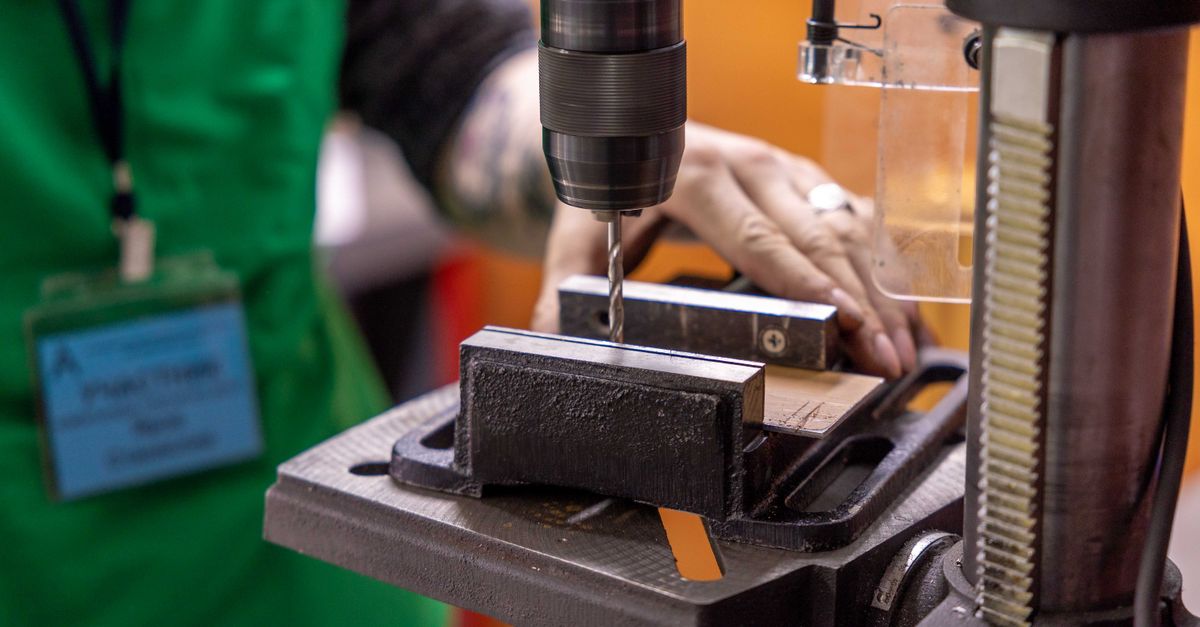
Drill press on a bench

Chuck key resting within reach, table set for a shallow plunge.
TL-IQ Journal: company

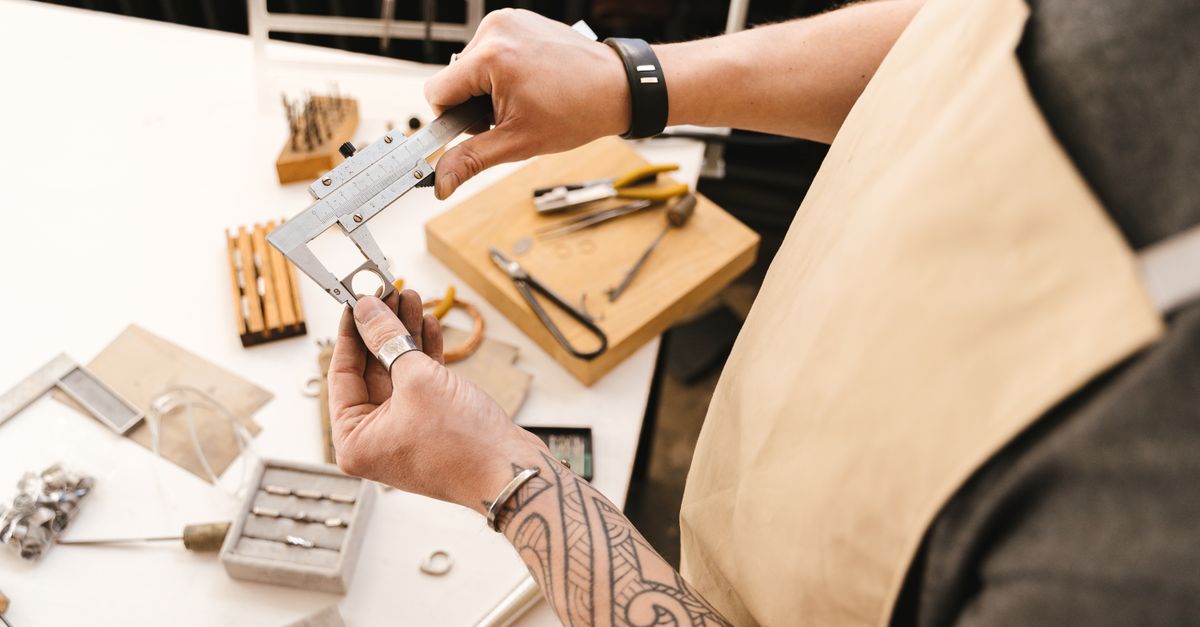
Caliper and drawing

Tolerance callouts checked against a measured part.
TL-IQ Journal: company

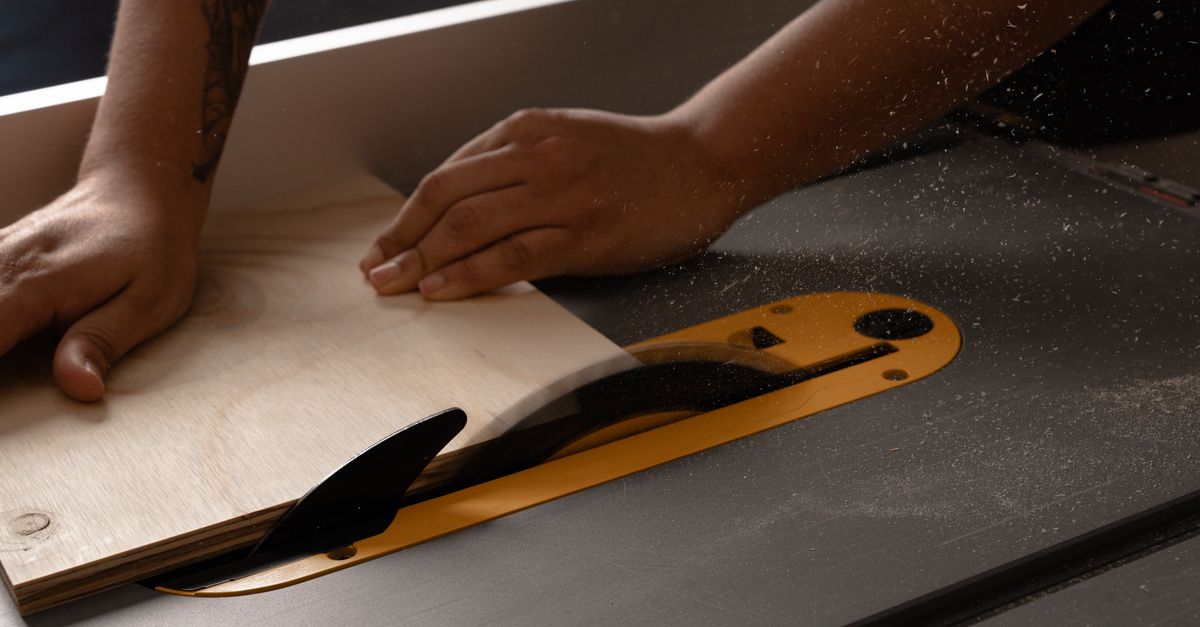
Sled and stop block

Repeat cuts held to the same length pass after pass.

TL-IQ Journal: company

Raking light on steel

Low-angle lamp showing scratches that overhead light hides.
TL-IQ Journal: company

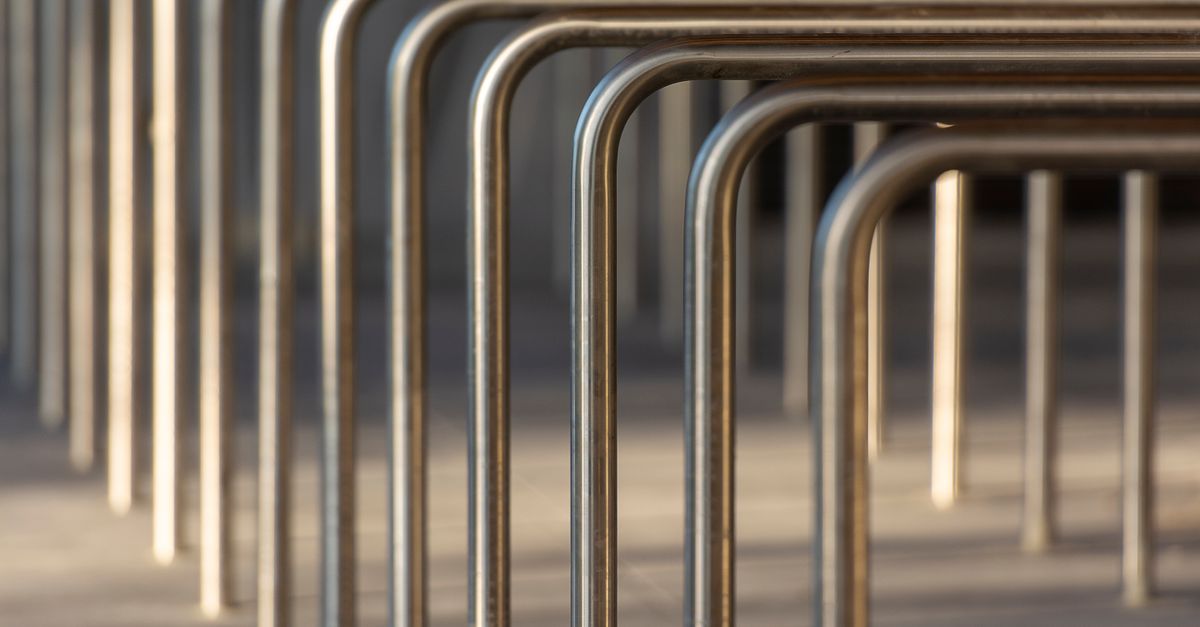
Offcut rack

Short lengths sorted by material before rust sets in.
TL-IQ Journal: company

Clamped jig build

Glue-up held square while the fence line is checked.

How the journal is put together

There is no founding story to tell here, and no milestone list. What follows is the working order of things: how a bench note becomes a post, and what we check before it goes up.

  1. Step one

    Something goes wrong at the bench

    A jig creeps, a drill press wanders off centre, a finish reads clean under one lamp and scratched under another. That moment is the starting point, not a product announcement.

  2. Step two

    Notes and photos, taken as it happens

    Measurements, material thicknesses, the fastener that stripped, the clamp that slipped. Photos come from the bench itself, annotated so a reader can see where the cut went wrong.

  3. Step three

    A second pair of hands checks it

    A hobbyist contributor and the retired toolmaker read the same draft. If a claim cannot be reproduced on a bench, it gets cut or marked as an open question rather than smoothed over.

  4. Step four

    It goes up, and stays open

    Reader questions land in the comments and get answered there. Terms that come up repeatedly are added to the glossary so the next post can use them without a detour.

What this is not

No sponsored rankings, no gear that only ever gets praised, no posts written to fill a calendar. If a tool disappointed, that note runs alongside the review. The journal is written by makers and one retired toolmaker, and it reads that way on purpose.

Why this journal exists

Bench notes, not a content farm

TL-IQ Journal is an independent editorial blog for makers, home-workshop tinkerers and small fabrication outfits. It exists because most tool writing is written from a spec sheet, and a spec sheet has never once told you how a machine behaves on a Tuesday night with a dull bit.

The people writing here are hobbyists and one retired toolmaker. Nobody is filling a quota. If a piece of gear disappointed, that gets written down instead of quietly left out.

  • Described at the bench

    A tool is judged by what it does on a real bench: swing, spindle travel, runout, how it holds a workpiece. Numbers matter, but only the ones you can feel in a cut.

  • Candid about gear

    When something underperforms, it gets a note rather than a silent omission. That includes jigs that warped, lamps that flickered and calipers that drifted.

  • Questions get answered

    Reader questions come back in the comments, and a running glossary keeps shop terms defined as they appear, so the vocabulary grows with the reading.

  • Notebook, not showroom

    Charcoal and safety-orange on off-white paper, condensed headings with monospace captions, annotated photos of benches and clamps. The look follows the working method.

No account, login, cart, payment, booking or subscription functions exist here. The journal is read, not transacted with. Contact details sit at The Firs, 32A Cradock Avenue, Rosebank, Johannesburg, 2196, South Africa.