The Running Notebook

Five posts currently on the bench. Each one is a walkthrough with photos of the actual setup, a note on the gear that let us down, and a reader question pulled from the comments. Captions name the bench, the material and the operation, the way a shop notebook would.

Benchtop drill press standing on a wooden workbench with a chuck key resting beside it

bench / drill press / steel

Choosing a First Benchtop Drill Press Without Regret

Most first drill presses get bought on chuck size and price, then judged later on swing and spindle travel, which the listing barely mentions. Swing sets how far from the column a workpiece can sit; travel decides how deep one plunge goes before you start shimming the table. The post covers runout checks with a dial indicator, why a slow minimum speed matters more for steel than timber, and where a bench model stops being the right answer.

Read the drill press notes
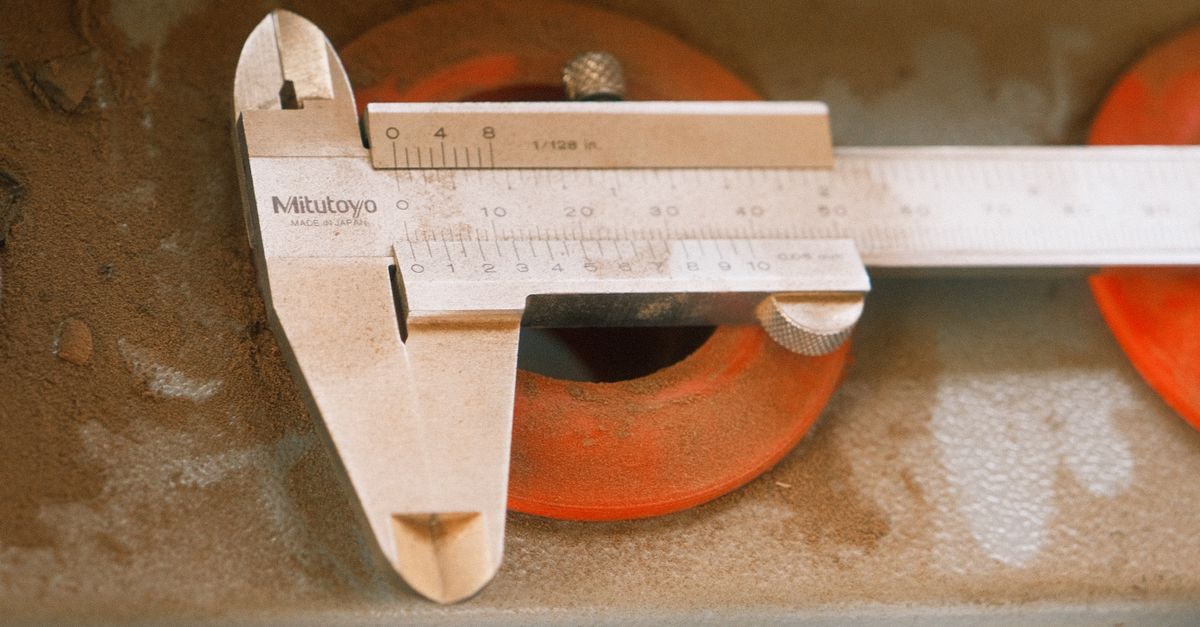

Vernier caliper and engineering drawing laid out on a metal bench surface

bench / vernier / drawing

Reading Tolerance Charts Without a Metrology Degree

Tolerance charts read as if they were written for inspectors, not for someone standing at a bench with a vernier. This piece unpacks the notation: what a bilateral tolerance actually permits, why a unilateral callout changes how you set up a cut, and where a general tolerance block saves you from specifying every dimension. It also deals with the practical side, including how temperature and clamping pressure move a measurement more than the machine does.

Read the tolerance notes
Wooden crosscut sled with clamped stop block sitting on a table saw top

bench / sled / table saw

Jigs for Repeat Cuts on a Small Table Saw

Repeatability on a small table saw comes from the jig, not from a steadier hand. The post walks through a crosscut sled with a replaceable kerf strip, a stop block that clamps to the fence without creeping, and a featherboard arrangement that holds stock against the fence through the whole pass. Each build lists the material thicknesses used, the fasteners that held up, and the failure points noticed after months of use.

Read the jig build notes
Adjustable task lamp casting raking light across a metal workpiece on a bench

bench / task lamp / finish

Workshop Lighting That Does Not Lie About Surface Finish

A single overhead fluorescent tube makes a scratched surface look clean and a flat surface look wavy. This piece looks at how colour temperature shifts the way steel and hardwood read, why raking light from a low angle exposes sanding marks that diffuse light hides, and how much glare a polished aluminium part throws back at eye level. It covers a two-source setup that works in a garage without a dedicated lighting budget.

Read the lighting comparison
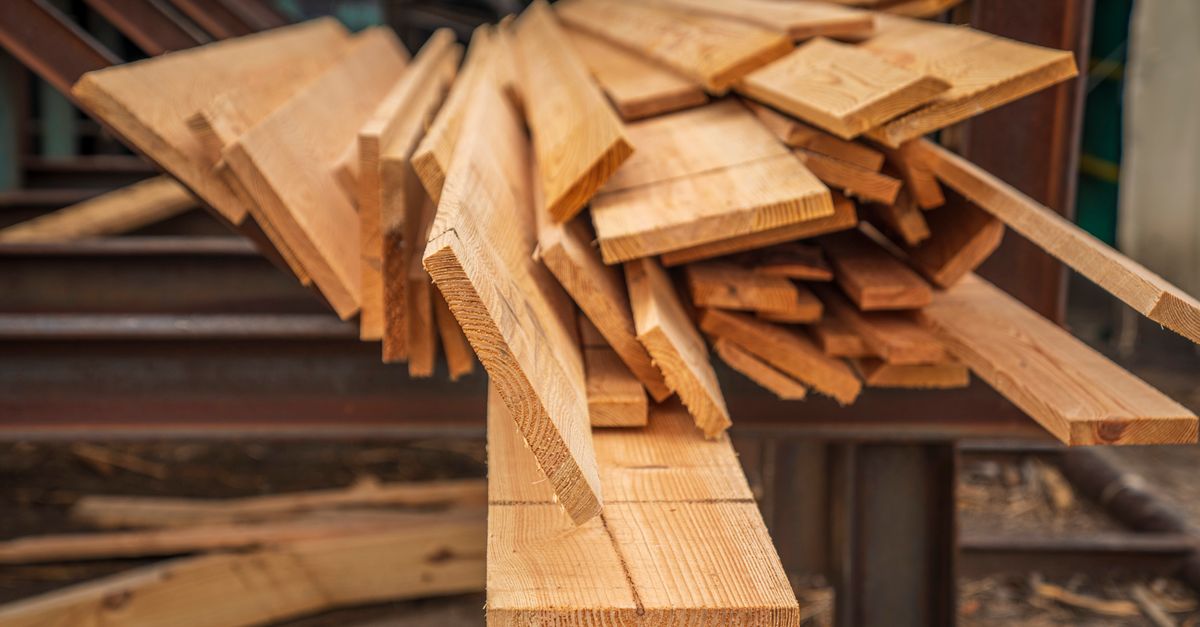
Stacked steel offcuts and short hardwood boards stored on a workshop rack

bench / offcuts / storage

Where to Find Offcut Steel and Hardwood Around Gauteng

Short lengths of steel and hardwood are the hardest thing to buy at a reasonable price when you only need a metre. This guide covers the kinds of places that sell offcuts around Gauteng, from fabrication shops clearing drops to timber yards selling shorts and seconds, and what to bring when you go. It explains how to identify mild steel versus a higher-carbon drop by spark testing, and how to check hardwood for internal checking before it goes on the rack.

Read the sourcing guide

Send in a build log, a question or a correction

The notebook only stays useful if it keeps filling up. If you built a jig that finally held a repeat cut, or a tool turned out worse than the listing promised, that belongs here. Reader questions pulled from the comments often turn into the next post, and a glossary term is welcome if you can explain it the way you would to someone standing at your bench.

What helps most: the measurements you actually took, the material and thickness, what failed and when. Photos of the bench or the finished part are optional, but they carry a walkthrough further than words do.

Where to send it

Prefer a form? The contact page takes the same kind of note and passes it to the site handler.

Open the contact page