Why makers keep these notes on the bench
Scenario write-ups are easy to fake and hard to use. What follows is what separates a bench note you can actually work from — a garage setup drilling forty identical brackets, a two-person jobbing shop chasing a clean edge on offcut hardwood — from a tidy article that never touched a clamp.
Setup first
The bench, not the brochure
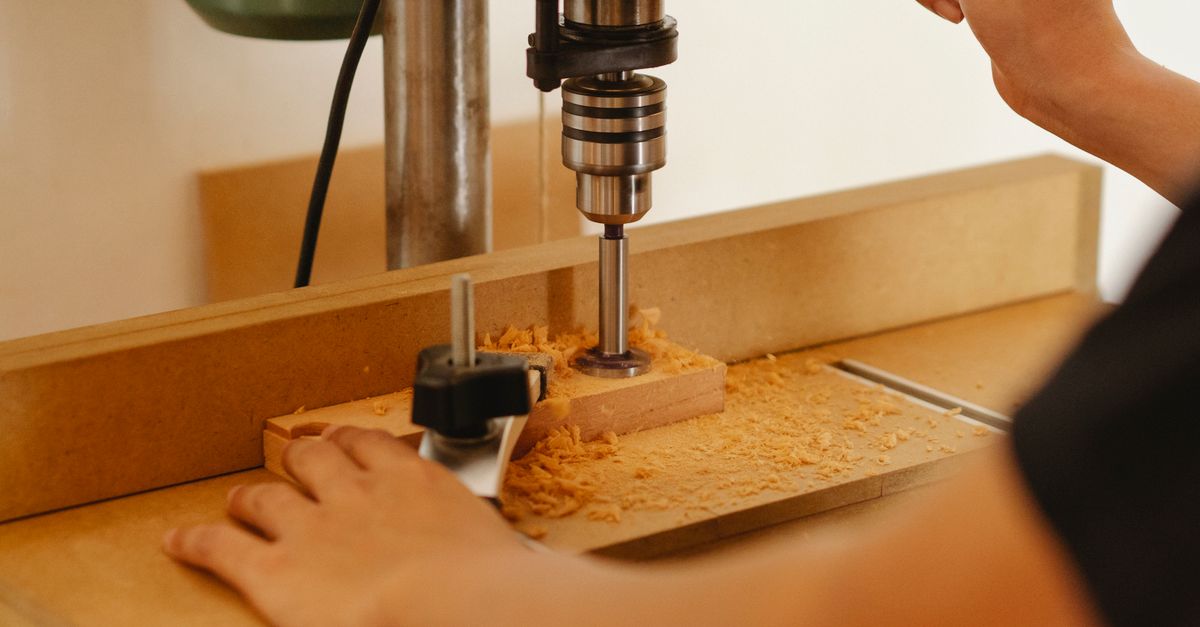
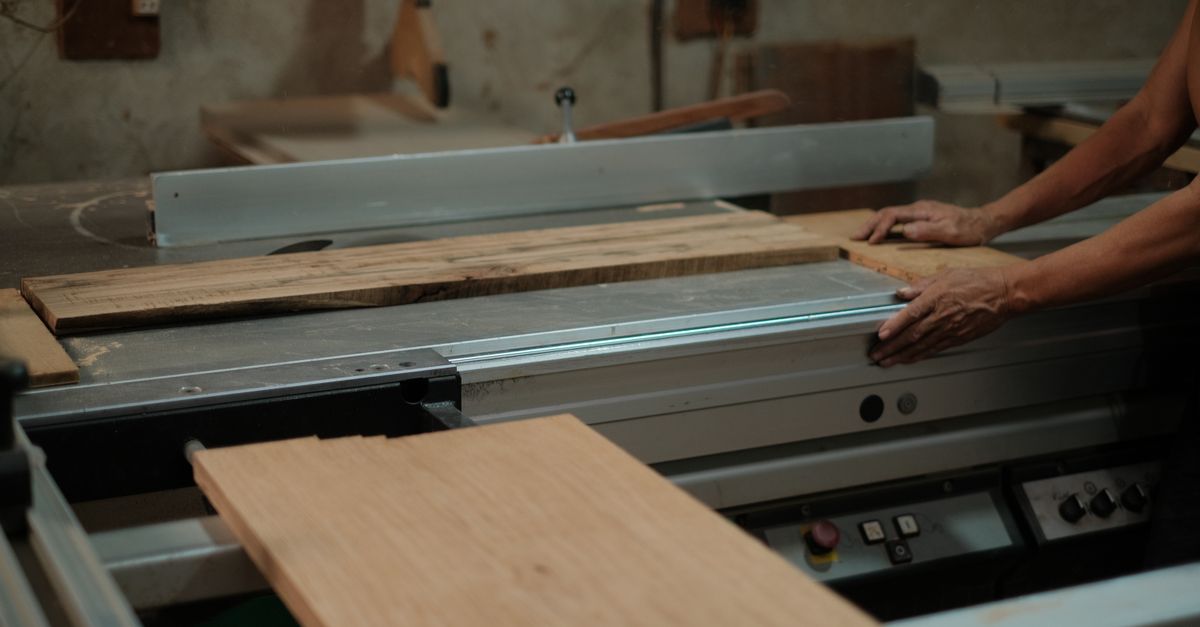
Every scenario opens with what was actually on the bench: the clamp, the bit, the fence position, the light angle. If a drill press wandered under load, you read where it wandered and what was changed before the next pass. No spec sheet survives contact with a real cut, so the notes start where the cut does.
Trade-offs named
Where the result drifted
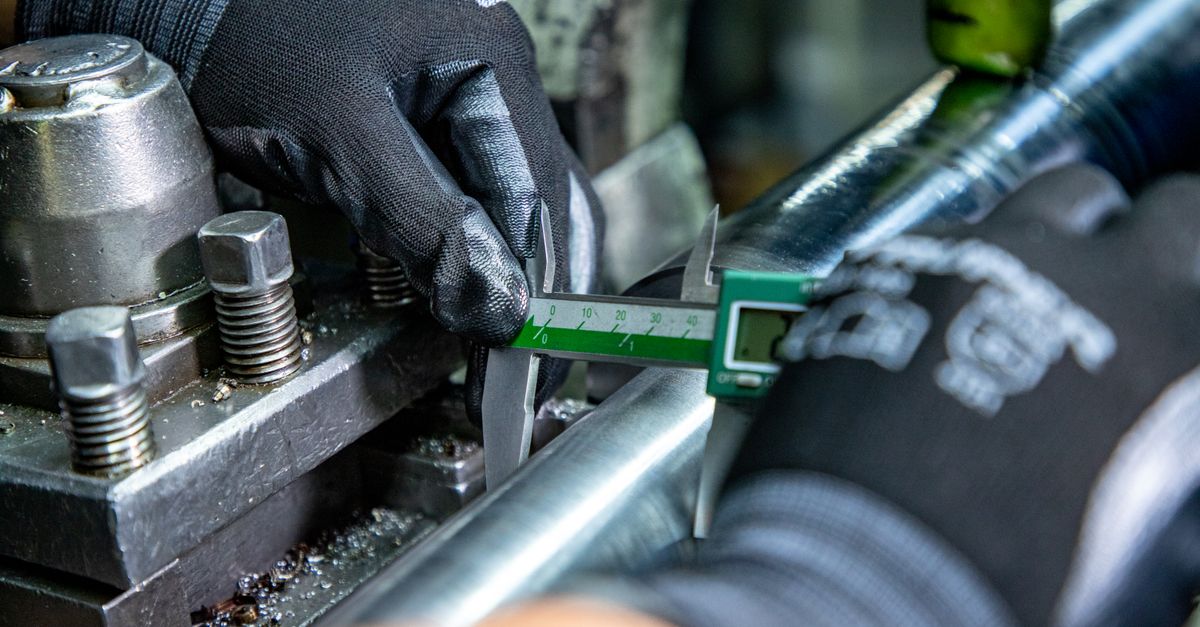
A jig that holds for ten cuts and creeps on the eleventh is worth writing down. Scenarios flag the point where the part stopped matching the drawing, and what the fix cost in time, material or a different clamp. That is more useful than a claim that the method always works.
Gear, honestly
Tools that disappointed
Some of the most-read notes are the ones about gear that did not hold up — a chuck with runout, a task lamp that flickered on a cheap driver. We say what replaced it and why, without turning any of it into an endorsement. Brands get named as facts, not as recommendations.
Reader questions
Follow-ups from the comments
Questions that come in from readers turn into short follow-up scenarios: a different material, a tighter tolerance, a smaller bench. The glossary grows the same way, with plain-language entries for terms like runout, fence and offcut that get linked back from the piece that used them.
Who writes
Hobbyists and a retired toolmaker
Contributors are people who run a garage bench or a small jobbing shop, plus one retired toolmaker. That mix is deliberate: it keeps the notes grounded in setups you can copy, not in a content schedule. If you run a two-person shop, a build log from your bench is welcome.
How it is checked
Photo walkthroughs, captions that name parts
Photo walkthroughs show the bench before and after a change, with captions that name the clamp, the bit, the fence or the light position. If a step cannot be shown, it gets described in words rather than dressed up. That is the standard we hold the notes to.