Bench notes

Choosing a First Benchtop Drill Press Without Regret

Swing, spindle travel and the numbers that actually matter at the bench

Most first drill presses get picked on chuck size and whatever the listing shouts loudest. Then a month later you find out the two numbers nobody printed in bold: swing and spindle travel. Swing is the distance from the column to the spindle centre, and it decides how wide a workpiece you can actually stand on the table before it fouls the post. Travel decides how deep one plunge goes before you start stacking shims under the table to reach the bottom of a hole.

A 13 mm chuck is fine for the bits most home shops own. What bites harder is runout. Put a dial indicator on a ground rod in the chuck and turn it by hand; a few hundredths of a millimetre is workable, a visible wobble is not. That runout is what quietly walks your hole off centre on a stack of plate.

Benchtop drill press standing on a wooden workbench with a chuck key resting beside it
Column, table and chuck: the three points worth checking before you commit.

Swing and throat depth

This is the reach from the column to the spindle. It sets the widest stock you can drill without the post getting in the way. Measure the parts you actually make, not the ones you imagine.

Spindle travel

Travel is how far the quill drops in one pass. Short travel means re-clamping and shimming the table partway through a deep hole, which is where accuracy goes first.

Speed and drive

A slow minimum speed matters more for mild steel than for timber. Belt drive runs quieter in a shared garage; gear drive is louder but holds speed under load.

When a bench model stops being the right answer

If you are regularly drilling through thick plate, or you need a mortise attachment that adds real footprint, the bench column runs out of room. That is the point where a floor-standing unit earns its floor space, not before.

Related reading: Reading Tolerance Charts Without a Metrology Degree, and the rest of the series sits in the journal archive.

Choosing a First Benchtop Drill Press Without Regret

Four pieces are on the bench right now. Each one started as a reader question or a mistake made in a garage setup, and each is written up with the measurements, the gear that let us down and the fix that stuck.

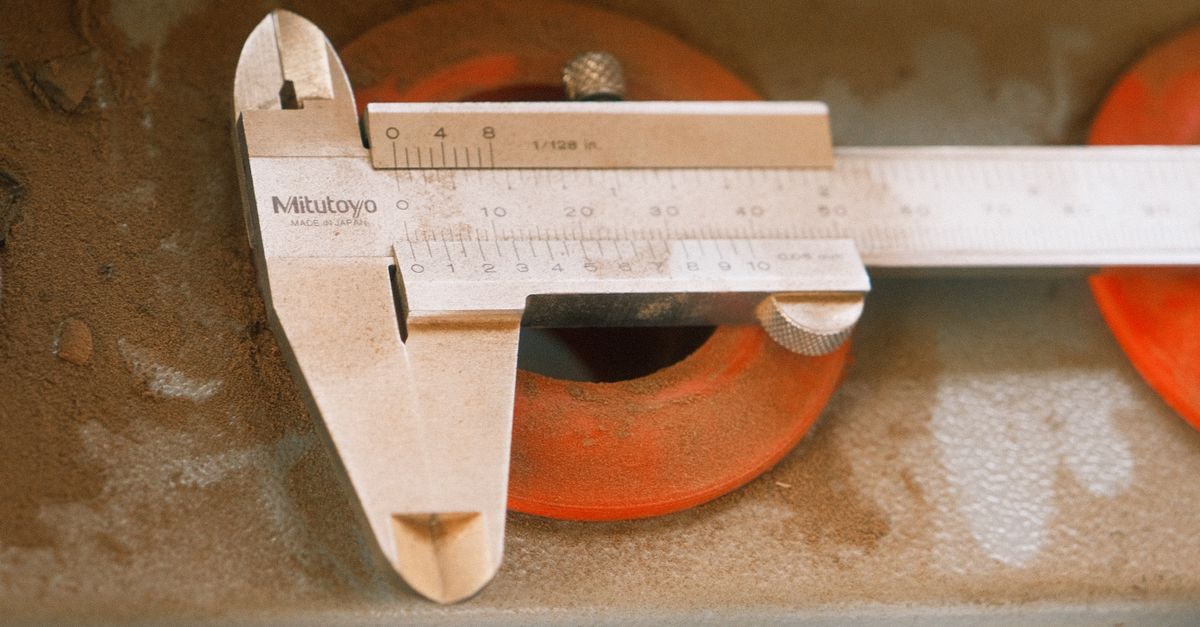
Vernier caliper and engineering drawing laid out on a metal bench surface

Reading Tolerance Charts Without a Metrology Degree

Tolerance charts look like they were written for inspectors, not for someone standing at a bench with a vernier. This piece breaks the notation down: what a bilateral tolerance actually permits, why a unilateral callout changes how you set up a cut, and where a general tolerance block saves you from specifying every dimension. It also covers the practical side, including how temperature and clamping pressure move a measurement more than the machine does, and when a cheap caliper is honest enough for the job. The aim is to make the chart a working tool rather than a document you skip.

Read the notes
Wooden crosscut sled with clamped stop block sitting on a table saw top

Jigs for Repeat Cuts on a Small Table Saw

Repeatability on a small table saw comes from the jig, not from a steadier hand. The post walks through a crosscut sled with a replaceable kerf strip, a stop block system that clamps to the fence without creeping, and a featherboard arrangement that holds stock against the fence through the whole pass. Each build is described with the material thicknesses used, the fasteners that held up, and the failure points noticed after months of use. There is also a short section on storing jigs so they stay flat, since a warped sled quietly ruins every cut made on it.

Read the notes
Adjustable task lamp casting raking light across a metal workpiece on a bench

Workshop Lighting That Does Not Lie About Surface Finish

A single overhead fluorescent tube makes a scratched surface look clean and a flat surface look wavy. This piece looks at how colour temperature shifts the way steel and hardwood read, why raking light from a low angle exposes sanding marks that diffuse light hides, and how much glare a polished aluminium part throws back at eye level. It covers a two-source setup that works in a garage without a dedicated lighting budget, plus notes on task lamps that flicker on cheap drivers. Measurements are given in lux at the bench surface so the setup can be checked with a phone app.

Read the notes
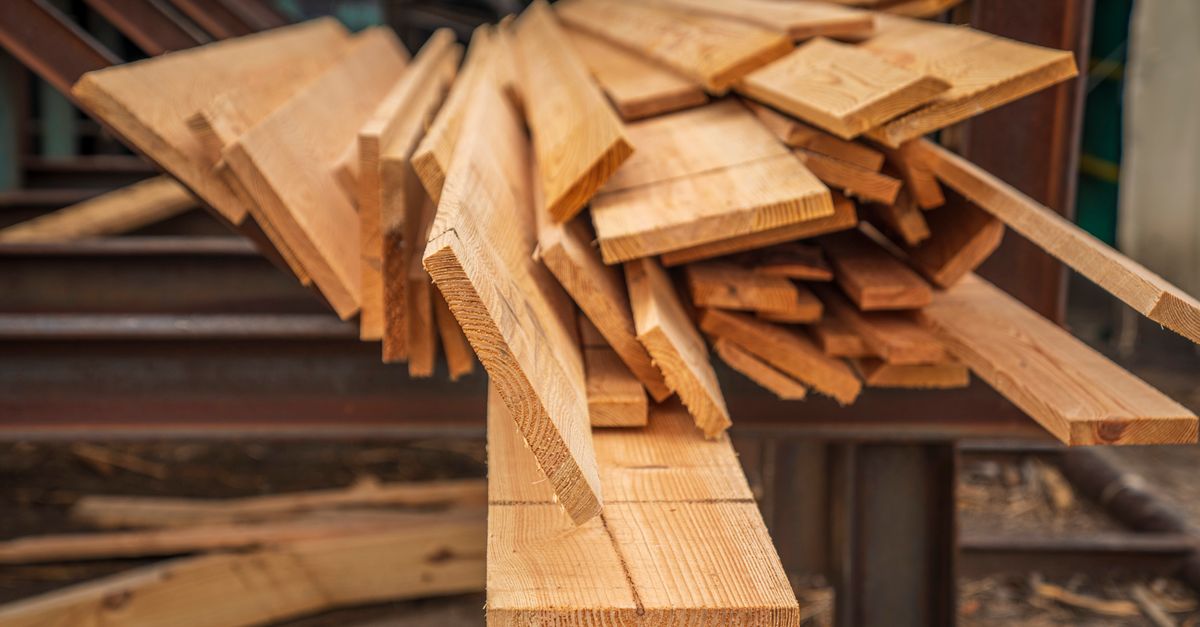
Stacked steel offcuts and short hardwood boards stored on a workshop rack

Where to Find Offcut Steel and Hardwood Around Gauteng

Short lengths of steel and hardwood are the hardest thing to buy at a reasonable price when you only need a metre. This guide covers the kinds of places that sell offcuts around Gauteng, from fabrication shops clearing drops to timber yards selling shorts and seconds, and what to bring when you go. It explains how to identify mild steel versus a higher-carbon drop by spark testing, how to check hardwood for internal checking before it goes on the rack, and why a moisture meter is worth carrying. Storage and rust prevention for mixed offcuts get a short section at the end.

Read the notes