Crosscut sleds, stop blocks and featherboards that survive real use
Repeatability on a small table saw comes from the jig, not from a steadier hand. These are three patterns I keep coming back to, written up with the thicknesses, the fasteners that held, and the points where each one started to fail after months of use.
Sled body with the kerf strip already cut and a stop block clamped to the fence.
Crosscut sled with a replaceable kerf strip
The sled runs on two runners set into the mitre slots, and the deck is a single sheet of 12 mm plywood so it stays flat across the whole travel. The part that earns its keep is the kerf strip: a 6 mm insert screwed into a shallow rebate at the back edge, so when the blade tears it up you swap the strip instead of rebuilding the sled. Countersunk M6 machine screws held better than the wood screws I started with, which pulled loose once the deck swelled in humid weather.
Stop block that clamps without creeping
A stop block only works if it stays put through the cut. Mine is a hardwood offcut with a slot cut for a carriage bolt, tightened against the fence with a knob. The failure point showed up after a few months: the bolt head had worn a groove in the slot, so the block shifted a fraction under load. A thin steel washer under the head fixed it. Set the block slightly forward of the blade and clamp it before every batch, not once at the start of the day.
Featherboard that holds through the pass
The featherboard sits ahead of the blade and presses the stock against the fence for the whole pass, which matters more on narrow rips than on wide ones. Cut the fingers from a single piece of hardwood so the grain runs along them, and mount it in a slot so you can slide it to suit the stock width. Too much pressure and the stock lifts; too little and it wanders. The fingers also lose their spring over time, so a spare set on the shelf is worth having.
Storing jigs so they stay flat
A warped sled quietly ruins every cut made on it, and it is easy to miss until the parts stop fitting. Store sleds on edge or hanging from a wall cleat rather than stacked under other stock, and keep them out of direct sun where the deck will cup. Check flatness against a straight edge before a run of work, not after.
Most first drill presses are bought on chuck size and price, then judged later on two things the listing barely mentions: swing and spindle travel. Swing sets how far from the column you can place a workpiece, and travel decides how deep a single plunge can go before you start shimming the table. The post covers runout checks with a dial indicator, why a slow minimum speed matters more for steel than for timber, and how a mortise attachment changes the footprint you need. It also notes the point where a bench model stops being the right answer and a floor-standing unit earns its space.
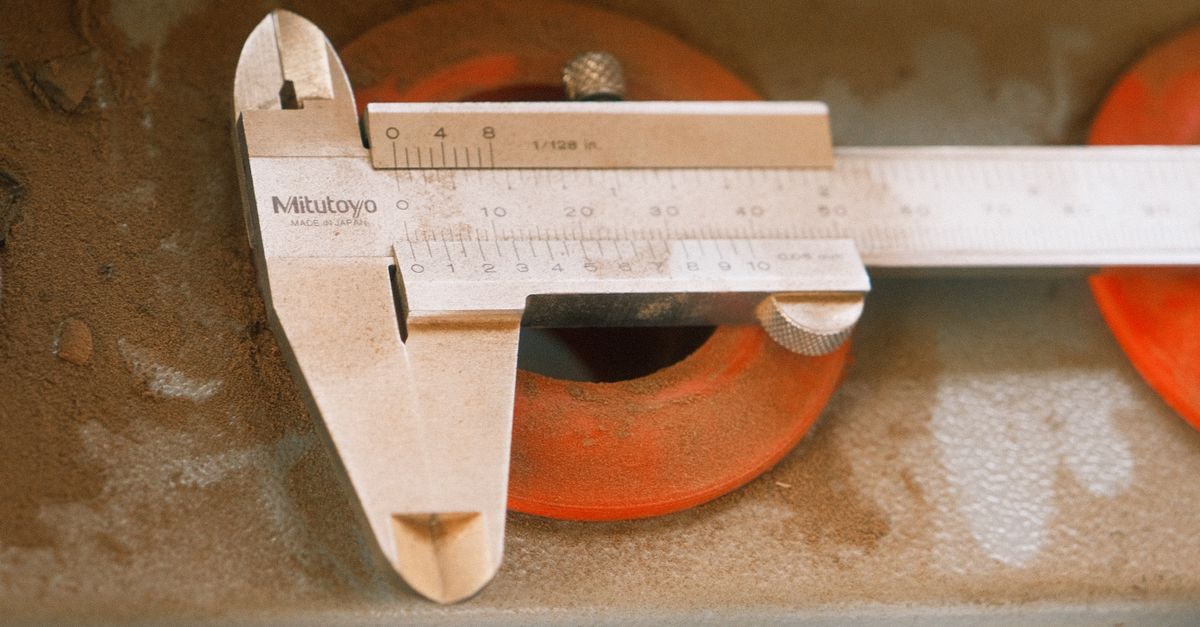
Tolerance charts look like they were written for inspectors, not for someone standing at a bench with a vernier. This piece breaks the notation down: what a bilateral tolerance actually permits, why a unilateral callout changes how you set up a cut, and where a general tolerance block saves you from specifying every dimension. It also covers the practical side, including how temperature and clamping pressure move a measurement more than the machine does, and when a cheap caliper is honest enough for the job.
A single overhead fluorescent tube makes a scratched surface look clean and a flat surface look wavy. This piece looks at how colour temperature shifts the way steel and hardwood read, why raking light from a low angle exposes sanding marks that diffuse light hides, and how much glare a polished aluminium part throws back at eye level. It covers a two-source setup that works in a garage without a dedicated lighting budget, plus notes on task lamps that flicker on cheap drivers.
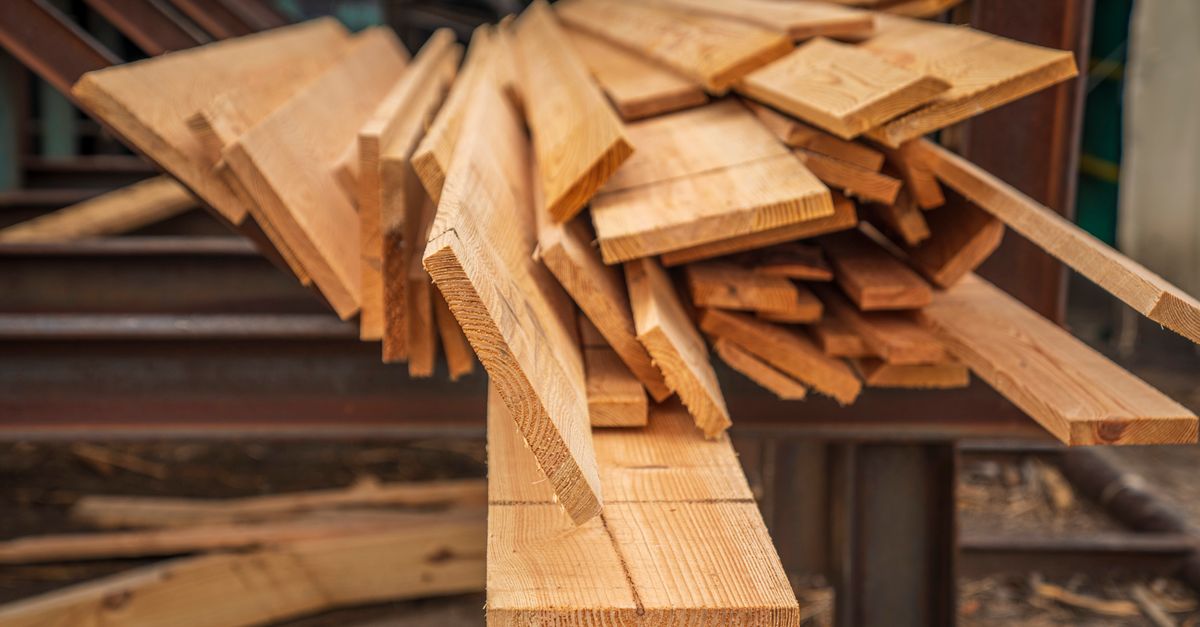
Short lengths of steel and hardwood are the hardest thing to buy at a reasonable price when you only need a metre. This guide covers the kinds of places that sell offcuts around Gauteng, from fabrication shops clearing drops to timber yards selling shorts and seconds, and what to bring when you go. It explains how to identify mild steel versus a higher-carbon drop by spark testing, how to check hardwood for internal checking before it goes on the rack, and why a moisture meter is worth carrying.
A note on privacy
We use a small amount of local storage to remember how you interact with this journal, so the reading experience stays consistent between visits. Nothing here tracks you across other sites, and you can change your mind at any time. Read the details in our privacy policy.