Bench notes · Sourcing

Where to Find Offcut Steel and Hardwood Around Gauteng

Scrap yards, mill offcuts and the questions worth asking before you load up.

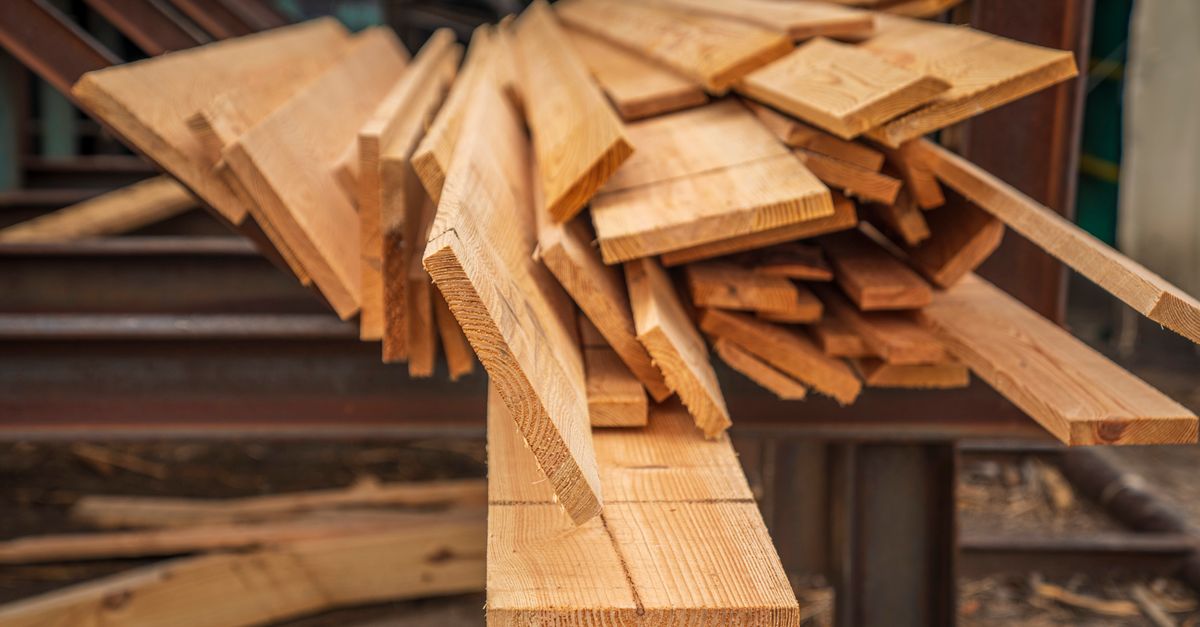
Stacked steel offcuts and short hardwood boards stored on a workshop rack

Buying a metre of steel or a single short board is the awkward part of any small build. Full-length stock is priced and sold for people cutting whole lengths, so the moment you only need a short piece, the per-metre cost climbs and you end up with a rack of leftovers you did not plan for. Offcuts solve that, but only if you know where they come from and what to check before they go on the rack.

Where offcuts actually come from

Around Gauteng there are three broad sources. Fabrication shops clearing drops after a big job are the first, and they usually sell by weight or by the bundle rather than by the length. Timber yards selling shorts and seconds are the second, and these are the ones worth a phone call before you drive out, because what is on the floor changes week to week. Scrap yards and metal merchants round it out, though the grade there is often unknown, which is exactly why inspection matters.

What to bring, and what to check

A tape measure, a magnet, a moisture meter and a way to carry the load. For steel, a spark test against a grinder tells you more than the label on the rack: mild steel throws short, dull sparks, while a higher-carbon drop throws a longer, more branched burst. For hardwood, the moisture meter is the honest check. Boards that look sound on the outside can carry internal checking, and that only shows up once the piece is cut or the rack dries it further.

Storage and rust

Mixed offcuts rust faster than they should when they sit in a damp corner. Keep steel off the floor, separate it from green timber, and wipe a light oil film on anything that will sit for months. Hardwood wants airflow on all faces, not a tight stack against a wall.

If you are still setting up the bench itself, the notes on choosing a first benchtop drill press cover the specs that matter once the material is on the bench. Build logs and reader questions can go through the contact page.

Where to Find Offcut Steel and Hardwood Around Gauteng

Four pieces in the works for readers setting up or tightening a home workshop. Each one is written from shop-floor notes, not from a spec sheet, and each links to its own page as the draft goes live.

Benchtop drill press standing on a wooden workbench with a chuck key resting beside it

Tool selection

Choosing a First Benchtop Drill Press Without Regret

Most first drill presses get bought on chuck size and price, then judged later on two numbers the listing barely mentions: swing and spindle travel. Swing decides how far from the column a workpiece can sit, travel decides how deep one plunge goes before you start shimming the table. The post covers runout checks with a dial indicator, why a slow minimum speed matters more for steel than timber, and where a bench model stops being the right answer.

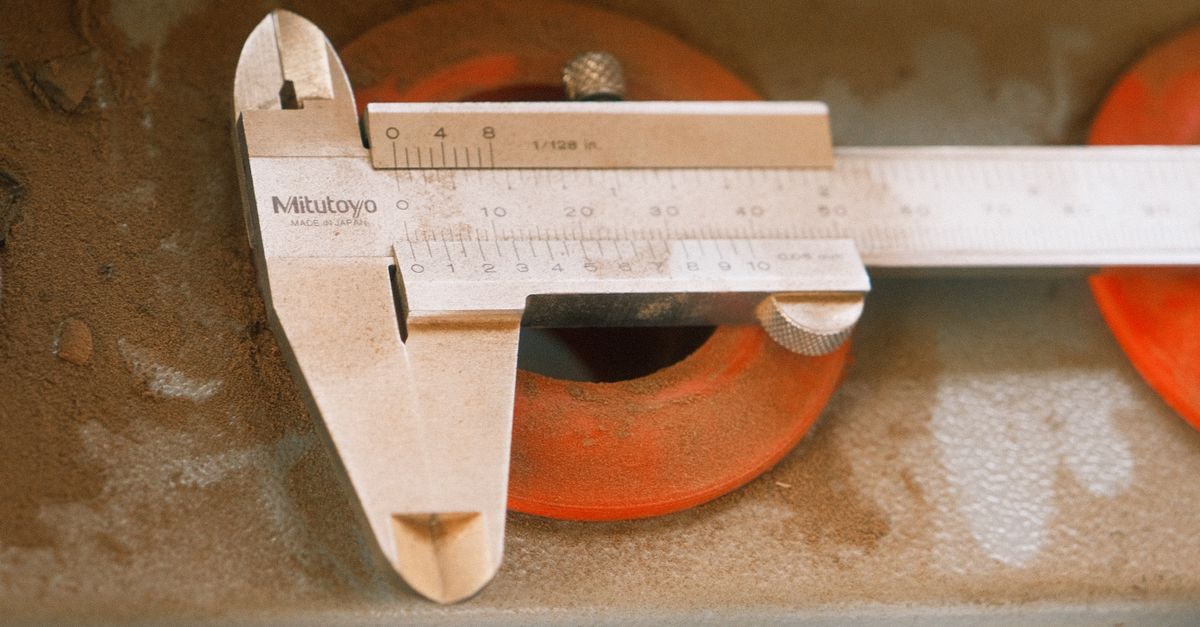
Vernier caliper and engineering drawing laid out on a metal bench surface

Reference reading

Reading Tolerance Charts Without a Metrology Degree

Tolerance charts read like they were written for inspectors, not for someone standing at a bench with a vernier. This piece unpacks the notation: what a bilateral tolerance actually permits, why a unilateral callout changes how a cut is set up, and where a general tolerance block saves you from specifying every dimension. It also covers how temperature and clamping pressure move a measurement more than the machine does.

Wooden crosscut sled with clamped stop block sitting on a table saw top

Jigs and fixtures

Jigs for Repeat Cuts on a Small Table Saw

Repeatability on a small table saw comes from the jig, not from a steadier hand. The post walks through a crosscut sled with a replaceable kerf strip, a stop block that clamps to the fence without creeping, and a featherboard setup that holds stock against the fence through the whole pass. Material thicknesses, fasteners that held up, and the failure points noticed after months of use are all noted.

Adjustable task lamp casting raking light across a metal workpiece on a bench

Bench setup

Workshop Lighting That Does Not Lie About Surface Finish

A single overhead fluorescent tube makes a scratched surface look clean and a flat surface look wavy. This piece looks at how colour temperature shifts the way steel and hardwood read, why raking light from a low angle exposes sanding marks that diffuse light hides, and how much glare a polished aluminium part throws back at eye level. A two-source setup for a garage is described, with lux figures at the bench surface.